

Positive Affirmations: The Power of Positive Thinking
Positive Affirmations: The Power of Positive Thinking
Positive affirmations are one of the most powerful tools for transforming our thoughts, beliefs, and ultimately, our lives. These simple, yet impactful statements have the ability to change the way we see the world and ourselves, and can help us to overcome limiting beliefs, reduce stress, increase self-confidence, and improve our overall sense of happiness and well-being.
At the heart of positive affirmations is the principle of positive thinking, which is the idea that our thoughts and beliefs have a direct impact on our emotions and actions. Negative thoughts and beliefs can lead to feelings of fear, anxiety, and stress, and can prevent us from reaching our full potential. Positive affirmations counteract this negative thinking by helping us to reframe our thoughts in a more positive and empowering way. This shift in perspective can lead to increased confidence, reduced stress, and improved relationships with others.
The benefits of positive affirmations go beyond just improving our mental and emotional well-being. They also help us to focus on the present moment and on the things that we have, rather than on what we lack. This shift in focus can lead to greater feelings of gratitude and happiness, as we begin to appreciate the good things in our lives. Additionally, positive affirmations can help us to develop a more optimistic outlook, which has been linked to improved physical health and overall well-being.
There are many different ways to incorporate positive affirmations into your life. Some people prefer to write them down on index cards or post-it notes and place them in visible locations, such as on the bathroom mirror or in their car. This can help to reinforce the affirmations throughout the day and make them more meaningful and impactful. Others prefer to repeat the affirmations to themselves each morning and evening, or to recite them whenever they are feeling down or discouraged. There is no one right way to use positive affirmations – the important thing is to find a method that works best for you and that you can stick with over time.
Incorporating positive affirmations into your daily routine can be a life-changing experience. They have the power to help you build new, positive habits and to change the way you think and feel about yourself and the world around you. They can help you to overcome limiting beliefs, build self-confidence, and create a more positive and fulfilling life.
If you are looking to improve your life and achieve your goals, consider giving positive affirmations a try. Start small and be consistent. Choose affirmations that resonate with you and that you believe in, and repeat them to yourself each day. Over time, you will begin to notice a shift in your thoughts and beliefs, and you will find that you are able to live a happier, more fulfilling life.
In conclusion, positive affirmations are a simple yet powerful tool for transforming your thoughts and beliefs. They have the ability to help you overcome limiting beliefs, reduce stress, increase self-confidence, and improve your overall sense of happiness and well-being. So why not give them a try and see what they can do for you? The power of positive thinking is waitin
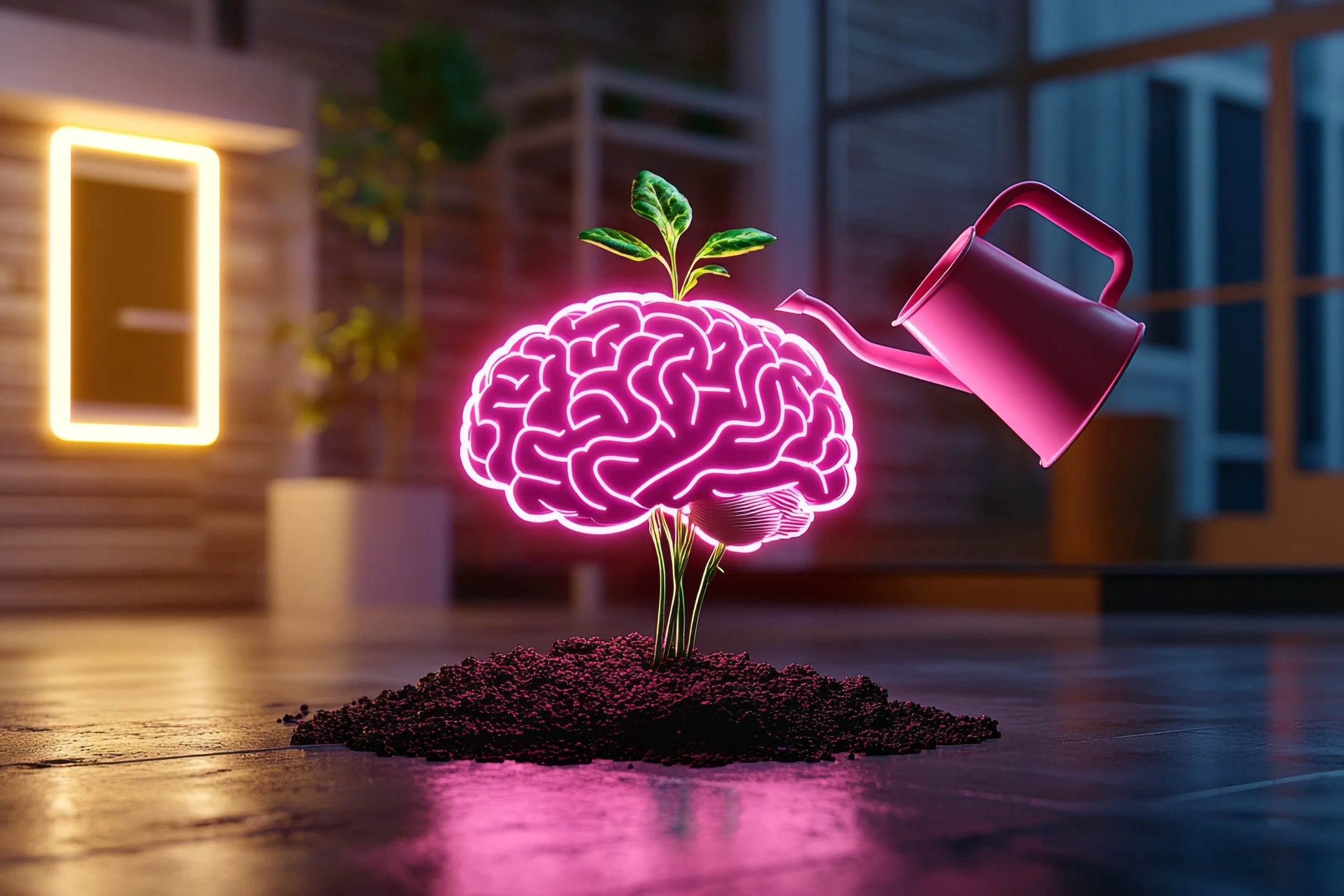
The Growth Mindset: Unleashing Your Potential
Have you ever heard of the phrase "fixed mindset" versus "growth mindset"? The concept of a growth mindset is one that has been gaining popularity in recent years, and it's easy to see why. The idea that we can cultivate a positive outlook and continue to grow and develop throughout our lives is an empowering one. In this blog, we will explore the growth mindset and how it can help us to unlock our full potential and live a more fulfilling life.
What is the Growth Mindset?
The growth mindset is a perspective that views our abilities and characteristics as being malleable and open to growth and development. It's the belief that we have the power to shape our own lives and that our potential is limitless. This perspective is in contrast to a fixed mindset, which views our abilities as being set in stone and unchangeable.
The Power of a Growth Mindset
Adopting a growth mindset can have a profound impact on our lives. When we believe that we have the power to shape our own futures, we are more likely to take risks, embrace challenges, and strive for success. This approach helps us to see setbacks and failures as opportunities for growth and learning, rather than as evidence of our limitations. Research has shown that individuals with a growth mindset are more likely to achieve their goals, be more creative, and experience greater life satisfaction.
Embracing Challenge
One of the key elements of a growth mindset is the willingness to embrace challenges and see them as opportunities for growth. When we face difficulties, it can be tempting to give up or take the easy road. However, with a growth mindset, we view challenges as opportunities to learn, grow, and develop. This approach helps us to become more resilient and to see setbacks as temporary, rather than permanent.
Embracing Failure
In a growth mindset, failure is not seen as a negative but rather as an opportunity for growth and learning. When we fail, we have the chance to reflect on what went wrong and to make changes that will help us to succeed in the future. This perspective helps us to become more resilient and to view setbacks as opportunities for growth, rather than as evidence of our limitations.
Fostering a Love of Learning
The growth mindset is all about embracing lifelong learning and growth. This approach encourages us to seek out new experiences, take on new challenges, and strive for continuous self-improvement. When we have a love of learning, we are more likely to be curious, innovative, and creative. This approach helps us to cultivate a love of life and to live with a sense of purpose and fulfillment.
Conclusion
The growth mindset is a powerful tool that can help us to unlock our full potential and live a more fulfilling life. By embracing challenges, failure, and a love of learning, we can cultivate resilience, creativity, and a sense of purpose. Adopting a growth mindset requires effort and dedication, but the rewards are well worth it. By embracing this perspective, we can live our lives to the fullest and a

The Key to Overcoming Life's Challenges
Life is full of challenges, and it’s inevitable that we will face difficulties and obstacles along the way. It could be the loss of a job, a broken relationship, a financial setback, or a health issue. Whatever the challenge may be, it can be difficult to bounce back, and it’s natural to feel overwhelmed, stressed, and defeated. However, it’s important to remember that resilience is a critical factor in overcoming life's challenges. In this blog, we will explore the key elements of building resilience and how to develop the strength to persevere and come out stronger on the other side.
What is Resilience?
Resilience is the ability to adapt and recover from difficult situations. It's a crucial life skill that helps us to navigate the ups and downs of life, and overcome adversity with grace and determination. Resilience is not just about bouncing back; it's about being able to grow, learn, and develop through the challenges that we face.
The Power of a Positive Mindset
A positive mindset is one of the most powerful tools in building resilience. When we adopt a positive outlook, we focus on the possibilities and opportunities that are available to us, rather than dwelling on the negatives. This approach helps us to maintain a sense of hope and optimism, even in the face of difficulty. Research has shown that individuals with a positive mindset have a more resilient response to stress and are more likely to bounce back quickly from adverse events.
Developing a Support System
Having a supportive network of friends, family, and colleagues is crucial in building resilience. When we have people in our lives who care about us and are there for us in times of need, it gives us a sense of security and comfort. It’s important to cultivate strong relationships with those who are positive, supportive, and uplifting. By doing so, we build a safety net that can help us to navigate the challenges of life with greater ease and confidence.
Learning to Embrace Change
Change is an inevitable part of life, and it can be difficult to adjust to new circumstances, especially when they are unexpected or unwelcome. However, embracing change is an essential component of resilience. By being open to new experiences and perspectives, we can learn to adapt to change and grow in new and exciting ways. Embracing change also helps us to develop a growth mindset, where we see challenges as opportunities for growth, rather than obstacles to avoid.
The Importance of Self-Care
Self-care is an essential component of building resilience. When we prioritise our physical and mental well-being, we are better equipped to handle the challenges of life. This can include simple things like getting enough sleep, eating a nutritious diet, and engaging in physical activity. It’s also important to engage in activities that bring us joy and relaxation, such as reading, meditation, or spending time in nature. By taking care of ourselves, we build up our inner strength and resilience, and are better prepared to face whatever challenges come our way.
Conclusion
Building resilience is an ongoing process that requires dedication, effort, and a positive attitude. By developing a positive mindset, a supportive network, embracing change, and prioritizing self-care, we can cultivate the strength and determination to overcome life's challenges with grace and confidence. Life will always throw curveballs, but by building resilience, we can face those challenges with courage and resilience, and come out stronger on the other side.

The Emotional Intelligence Revolution: Mastering Your Emotions
Emotional intelligence, also known as EQ, has been a buzzword in the corporate world for several years now. But what is emotional intelligence, and why has it become such a hot topic? Emotional intelligence is the ability to recognize, understand, and manage your own emotions, as well as the emotions of others. It is a critical component of effective communication, relationships, and overall success in life. In today's world, where the pace of life is fast and stress levels are high, mastering your emotions has become more important than ever.
The term "emotional intelligence" was first introduced by psychologist and science journalist Daniel Goleman in the 1990s. He argued that emotional intelligence was just as important as cognitive intelligence, and that it played a critical role in determining a person's success in life. This idea was groundbreaking at the time, and it sparked a revolution in the way we think about intelligence and success.
Since then, emotional intelligence has become a hot topic in the business world. Companies have begun to understand that employees with high EQ are more effective communicators, better team players, and more resilient in the face of stress and adversity. They are also more likely to be engaged and motivated in their work, and to have better relationships with their colleagues and customers. As a result, many organizations are now focusing on developing emotional intelligence in their employees as a way to improve overall performance and create a more positive workplace culture.
Emotional intelligence has also been shown to play a key role in leadership effectiveness. Leaders with high EQ are more likely to inspire and motivate their teams, and to create a positive, productive work environment. They are also better able to navigate conflict, and to resolve disputes in a way that benefits everyone involved.
One of the reasons emotional intelligence is so important for leaders is that it helps them to build trust with their employees. When a leader understands and responds to the emotions of their team, they are more likely to be seen as fair, caring, and supportive. This, in turn, fosters a culture of trust and respect, which can help to boost employee engagement and performance.
Another important aspect of emotional intelligence is emotional resilience. This refers to the ability to bounce back from adversity and stress, and to remain calm and focused even in the face of challenges. Emotional resilience is critical for success in life, as it enables us to stay focused on our goals, even when things get tough.
To develop emotional resilience, it is important to cultivate a growth mindset. This means embracing challenges as opportunities for growth, rather than as obstacles to be avoided. It also means developing a sense of purpose and meaning, and finding ways to stay motivated, even when things get tough.
So how can you develop your emotional intelligence? Here are some tips:
Practice self-awareness.
The first step to mastering your emotions is to become more self-aware. This means paying attention to your emotions, and understanding what triggers them. When you are feeling upset or stressed, take a moment to reflect on what is happening inside you. Ask yourself what emotions you are feeling, and try to identify the cause. By becoming more self-aware, you can learn to manage your emotions in a more effective way.
Manage your stress levels.
Stress is one of the biggest challenges to emotional intelligence. When we are stressed, our emotions become more intense and our thinking becomes more irrational. To manage stress effectively, it is important to engage in activities that help you relax, such as exercise, meditation, or mindfulness. It is also important to prioritize self-care and to set boundaries around your time and energy.
Develop empathy.
Empathy is the ability to understand and share the emotions of others. This is a critical component of emotional intelligence, as it enables you to build better relationships with others. To develop empathy, try to put yourself in other people's shoes, and imagine how they might be feeling. Pay attention to nonverbal cues, such as facial expressions and body language, and try to respond in a way that shows you understand their perspective.
Practice active listening.
Active listening is the practice of fully engaging with someone when they are speaking to you. This means paying attention to what they are saying, and not just waiting for your turn to speak. When you are actively listening, you are more likely to understand what someone is feeling, and you are more likely to build trust and rapport with them. To develop your active listening skills, try to put aside your own thoughts and opinions, and focus fully on what the other person is saying.
Communicate assertively.
Assertive communication is a key component of emotional intelligence. It means being clear and direct in your communication, while also being respectful and empathetic towards others. To communicate assertively, it is important to practice speaking your truth, while also taking into account the needs and feelings of others. This can help you avoid misunderstandings, build stronger relationships, and resolve conflicts in a more effective way.
Cultivate emotional regulation.
Emotional regulation is the ability to manage your emotions in a healthy way. This means avoiding excessive reactions, such as anger or anxiety, and instead finding ways to manage your emotions in a more balanced and productive way. To cultivate emotional regulation, try to identify the triggers that cause you to become emotionally charged, and then practice strategies such as deep breathing, visualization, or mindfulness to calm yourself down.
Practice gratitude and positive thinking.
Gratitude and positive thinking are important components of emotional intelligence, as they help you to focus on the good things in your life, even when things are difficult. To cultivate gratitude, try to keep a gratitude journal, where you write down things you are grateful for each day. This will help you to focus on the positive, and to develop a more positive outlook on life.
In conclusion, emotional intelligence is a critical component of success in life, and it is something that can be developed and improved with practice. By becoming more self-aware, managing your stress levels, developing empathy, practicing active listening, communicating assertively, cultivating emotional regulation, and practicing gratitude and positive thinking, you can master your emotions and become a more effective, successful, and happier person.
So if you want to succeed in life, and create more fulfilling relationships with others, start focusing on your emotional intelligence today. With a little effort, you can revolutionize the way you think, feel, and interact with the world around you

The Psychology of Happiness: Unlocking Positive Thinking
Happiness is something that we all strive for, yet it can often seem elusive and out of reach. However, happiness is not just a feeling of joy, it's a state of mind that is rooted in positive thinking. Positive thinking involves focusing on the present moment, recognising and appreciating the good things in life, and reframing negative thoughts. Research has shown that positive thinking can have a profound impact on our mental health and overall well-being.
So, what exactly is positive thinking and how can it help us achieve happiness? In this blog, we'll explore the psychology of happiness and how unlocking positive thinking can lead to a happier and more fulfilling life.
The Power of Positive Thinking
Positive thinking involves focusing on the present moment, recognizing and appreciating the good things in life, and reframing negative thoughts. When we engage in positive thinking, we can shift our focus away from what's going wrong in our lives and instead focus on what's going well. This shift in perspective can have a profound impact on our well-being.
Studies have shown that positive thinking can improve our physical health, increase our resilience to stress, and boost our immune system. Positive thinking has also been linked to better sleep, improved mood, and a lower risk of depression and anxiety. Furthermore, positive thinking can lead to increased success and better relationships.
Positive thinking can be a powerful tool for unlocking happiness, but it's not always easy. Our minds have a natural tendency to focus on the negative and it can take effort and practice to shift our perspective towards the positive. However, with a few simple strategies, anyone can learn to engage in positive thinking and experience the benefits of a happier, more fulfilling life.
Strategies for Positive Thinking
Here are some strategies that can help you cultivate positive thinking:
Practice gratitude: Focusing on what you're grateful for each day can help shift your perspective towards the positive. Write down three things you're grateful for each day and reflect on why they make you happy. This can help you appreciate the good things in your life and see the world in a more positive light.
Reframe negative thoughts: Our thoughts have a powerful impact on our emotions and well-being. When we have negative thoughts, it's important to challenge them and reframe them in a positive way. For example, instead of thinking, "I'm never going to get that promotion," try reframing the thought to "I may not get the promotion this time, but I'll keep working hard and learning new skills."
Focus on the present moment: Our minds have a tendency to dwell on the past or worry about the future, which can lead to negative thoughts and feelings. By focusing on the present moment, we can break free from negative thought patterns and cultivate a sense of peace and contentment.
Engage in activities that bring you joy: Doing things that bring us happiness and fulfillment can help us cultivate positive thinking. Whether it's reading, hiking, cooking, or spending time with loved ones, find activities that bring you joy and make time for them each day.
Surround yourself with positive people: The people we surround ourselves with can have a big impact on our well-being. Seek out friends and family members who are positive, supportive, and uplifting. Surrounding yourself with positive people can help you cultivate positive thinking and experience the benefits of happiness.
Practice self-care: Taking care of ourselves is an essential component of positive thinking. Engage in self-care activities that promote physical and mental well-being, such as exercise, meditation, and getting enough sleep. By taking care of ourselves, we can reduce stress and boost our mood, which can make it easier to cultivate positive thinking.
Focus on solutions, not problems: When faced with a challenge, it's easy to get caught up in negative thoughts and worry. Instead, try to focus on finding solutions and taking action. This proactive approach can help you feel more in control and improve your overall well-being.
Practice positive affirmations: Positive affirmations are statements that we repeat to ourselves to help cultivate positive thinking. They can help us focus on the good things in life and challenge negative thoughts. Examples of positive affirmations include "I am worthy," "I am capable," and "I am deserving of happiness."
Seek support: Positive thinking is a lifelong journey and it's important to seek support along the way. Whether it's through therapy, a support group, or a trusted friend, seek out people who can support and encourage you on your journey.
Conclusion
The psychology of happiness is rooted in positive thinking. By focusing on the present moment, recognising and appreciating the good things in life, and reframing negative thoughts, we can cultivate positive thinking and experience the benefits of happiness. While positive thinking can take time and effort to cultivate, the rewards of a happier and more fulfilling life are well worth it. So, embrace the journey and unlock the power of positive thinking today!